

As a supplier of AAC Panel Repair Mortar, ensuring the quality of our product is of utmost importance. AAC (Autoclaved Aerated Concrete) panels are widely used in construction due to their lightweight, insulation properties, and fire resistance. However, over time, these panels may require repair, and the quality of the repair mortar can significantly impact the longevity and performance of the repaired structure. In this blog, I will share some effective methods to test the quality of AAC Panel Repair Mortar.
1. Workability Testing
Workability is a crucial aspect of any repair mortar. It refers to the ease with which the mortar can be mixed, applied, and spread. A mortar with good workability will be easy to handle, adhere well to the AAC panel surface, and fill in the gaps effectively.
Mixing Test
To test the workability during mixing, start by following the manufacturer's instructions for mixing the AAC Panel Repair Mortar. Use a standard mixer and measure the time it takes for the mortar to reach a homogeneous consistency. A well - formulated mortar should mix easily and quickly, without any lumps or dry spots. If the mortar is difficult to mix, it may indicate poor quality or incorrect proportions of the ingredients.
Spreadability Test
After mixing, test the spreadability of the mortar. Take a small amount of the mortar and place it on a flat surface, such as a piece of glass or a smooth board. Use a trowel to spread the mortar in a thin layer. A good quality mortar should spread evenly and smoothly, without tearing or leaving gaps. If the mortar is too thick or sticky, it may not spread well, which can affect the application process and the final repair result.
2. Adhesion Testing
Adhesion is another critical factor in the quality of AAC Panel Repair Mortar. The mortar must adhere firmly to the AAC panel surface to ensure a long - lasting repair.
Pull - off Test
One of the most common methods to test adhesion is the pull - off test. This test involves applying a circular dolly to the surface of the repaired area using an adhesive. After the adhesive has cured, a pull - off tester is used to apply a gradually increasing force perpendicular to the surface until the bond between the mortar and the AAC panel fails. The maximum force required to break the bond is recorded as the adhesion strength. A higher adhesion strength indicates better quality mortar.
Shear Test
In addition to the pull - off test, a shear test can also be conducted to evaluate the adhesion of the mortar. In a shear test, a force is applied parallel to the surface of the repaired area. This simulates the forces that the repaired area may experience in real - world situations, such as wind or seismic forces. A good quality mortar should be able to withstand a certain amount of shear force without delaminating from the AAC panel.
3. Compressive Strength Testing
Compressive strength is an important property of AAC Panel Repair Mortar, as it determines the ability of the repaired structure to withstand loads.
Cube Test
To test the compressive strength, cube specimens are prepared according to the relevant standards. The mortar is poured into cube molds and allowed to cure for a specified period, usually 7, 14, or 28 days. After curing, the specimens are tested using a compression testing machine. The machine applies a gradually increasing load until the specimen fails. The compressive strength is calculated by dividing the maximum load by the cross - sectional area of the specimen. A higher compressive strength indicates better quality mortar.
4. Water Absorption Testing
Water absorption is a key factor that can affect the durability of the repaired AAC panels. Mortar with high water absorption is more likely to be damaged by freeze - thaw cycles, which can lead to cracking and deterioration.
Immersion Test
To test the water absorption of the AAC Panel Repair Mortar, specimens are first dried in an oven at a specified temperature until a constant weight is achieved. The specimens are then immersed in water for a certain period, usually 24 hours. After immersion, the specimens are removed from the water, surface - dried, and weighed again. The water absorption is calculated as the percentage increase in weight compared to the dry weight. A lower water absorption rate indicates better quality mortar.
5. Drying Shrinkage Testing
Drying shrinkage can cause cracking in the repaired area, which can compromise the integrity of the repair. Therefore, it is important to test the drying shrinkage of the AAC Panel Repair Mortar.
Length Change Measurement
Specimens of the mortar are prepared and their initial lengths are measured. The specimens are then allowed to dry under controlled conditions. At regular intervals, the lengths of the specimens are measured again. The drying shrinkage is calculated as the percentage change in length compared to the initial length. A lower drying shrinkage rate indicates better quality mortar.
Related Products for AAC Panel Repair
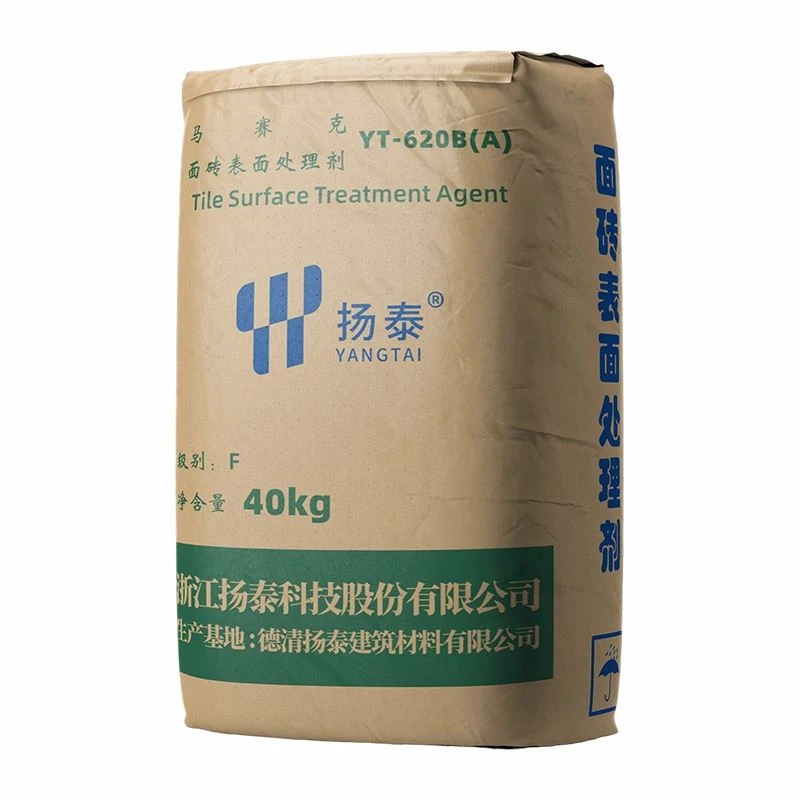
In addition to the AAC Panel Repair Mortar, we also offer some related products that can enhance the repair process. For example, Lightweight Block Primer can be used to improve the adhesion of the mortar to the AAC panel surface. Mosaic Surface Treatment Agent can be applied to the repaired area to provide a smooth and aesthetically pleasing finish. And Thin - Layer Plaster Base Primer can be used as a base coat to ensure a better bond between the mortar and the panel.
Conclusion
Testing the quality of AAC Panel Repair Mortar is essential to ensure the effectiveness and longevity of the repair. By conducting workability, adhesion, compressive strength, water absorption, and drying shrinkage tests, we can accurately evaluate the quality of the mortar. As a supplier, we are committed to providing high - quality AAC Panel Repair Mortar and related products to meet the needs of our customers. If you are interested in our products or have any questions about AAC panel repair, please feel free to contact us for further discussion and procurement.

References
- ASTM International. Standard test methods for evaluating the properties of mortars for masonry. ASTM C270 - 19.
- European Committee for Standardization. Mortar for masonry - Part 1: Definitions, specifications and conformity criteria for mortar. EN 998 - 1:2016.