

Waterproof mortar is a versatile building material that has gained significant popularity in recent years due to its ability to prevent water penetration and moisture damage. As a leading waterproof mortar supplier, I often receive inquiries about whether waterproof mortar can be used on tile floors. In this blog post, I will explore this topic in detail, providing scientific insights and practical advice based on my experience in the industry.
Understanding Waterproof Mortar
Before delving into the suitability of waterproof mortar for tile floors, it's essential to understand what waterproof mortar is and how it works. Waterproof mortar is a specially formulated mixture that contains cement, sand, and additives designed to enhance its water - resistant properties. These additives can include polymers, water - repelling agents, and other chemicals that create a dense and impermeable layer, preventing water from seeping through.
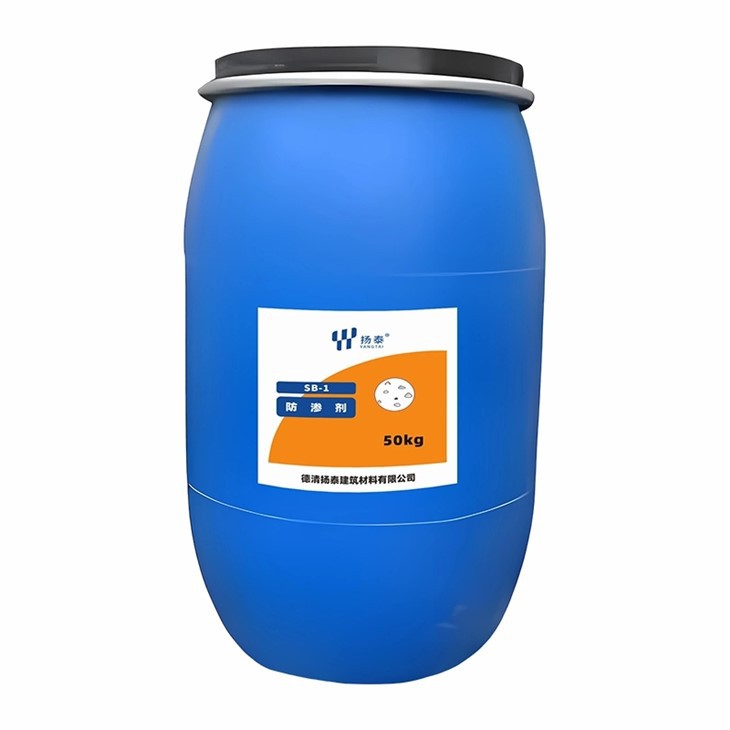
There are different types of waterproof mortar available in the market, each with its own set of characteristics and applications. For example, the Anti - seepage Agent is a type of waterproof mortar additive that can be mixed with regular mortar to improve its anti - seepage performance. The JS Composite Waterproof Coating is another popular option, which combines the advantages of polymers and cement, providing excellent adhesion and waterproofing capabilities. The Quick - drying Waterproof Repair Mortar is designed for rapid repairs and can be used in areas where quick drying is required.
Suitability of Waterproof Mortar for Tile Floors
The answer to whether waterproof mortar can be used on tile floors is generally yes, but there are several factors to consider.
Advantages of Using Waterproof Mortar on Tile Floors
- Preventing Water Damage: One of the primary benefits of using waterproof mortar on tile floors is its ability to prevent water from seeping into the subfloor. This is especially important in areas such as bathrooms, kitchens, and basements, where water exposure is common. By creating a waterproof barrier, the mortar helps to protect the subfloor from moisture - related damage, such as rot, mold growth, and structural deterioration.
- Enhancing Tile Adhesion: Waterproof mortar often has better adhesion properties compared to regular mortar. This means that tiles are less likely to loosen or come off over time. The strong bond between the tiles and the mortar ensures a more durable and long - lasting tile installation.
- Improving Hygiene: In wet areas, water that seeps under the tiles can create a breeding ground for bacteria and mold. Using waterproof mortar helps to keep the area dry and clean, reducing the risk of health problems associated with mold and mildew.
Considerations When Using Waterproof Mortar on Tile Floors
- Subfloor Preparation: Proper subfloor preparation is crucial when using waterproof mortar on tile floors. The subfloor must be clean, dry, and level. Any cracks or unevenness in the subfloor should be repaired before applying the waterproof mortar. If the subfloor is not properly prepared, it can affect the performance of the mortar and the adhesion of the tiles.
- Tile Type and Size: Different tile types and sizes may require different application techniques. For example, large format tiles may need a more even layer of mortar to ensure proper support. Some tiles, such as natural stone tiles, may require a specific type of waterproof mortar to prevent staining or damage.
- Application Method: The application of waterproof mortar on tile floors should follow the manufacturer's instructions carefully. The mortar should be mixed to the correct consistency and applied evenly using the appropriate tools. It's important to ensure that there are no air bubbles or gaps in the mortar layer, as this can compromise its waterproofing performance.
Application Process of Waterproof Mortar on Tile Floors
The following is a general guide on how to apply waterproof mortar on tile floors:

- Subfloor Preparation:
- Clean the subfloor thoroughly to remove any dirt, dust, grease, or debris.
- Repair any cracks or holes in the subfloor using a suitable patching compound.
- Ensure that the subfloor is dry before proceeding with the mortar application.
- Mixing the Waterproof Mortar:
- Follow the manufacturer's instructions for mixing the waterproof mortar. Usually, it involves adding the appropriate amount of water to the mortar powder and mixing it until a smooth and consistent paste is obtained.
- Use a drill with a mixing paddle for a more efficient and uniform mix.
- Applying the Mortar:
- Spread a layer of waterproof mortar on the subfloor using a trowel. The thickness of the layer may vary depending on the manufacturer's recommendations and the specific application.
- Use the notched side of the trowel to create ridges in the mortar, which will help with tile adhesion.
- Laying the Tiles:
- Place the tiles on the mortar layer, pressing them firmly into place. Use tile spacers to ensure even gaps between the tiles.
- Check the level of the tiles using a spirit level and adjust as needed.
- Grouting the Tiles:
- Once the tiles are set, remove the tile spacers and apply grout to the gaps between the tiles. Use a rubber float to spread the grout evenly and then wipe off the excess grout with a damp sponge.
Maintenance of Tile Floors with Waterproof Mortar
Proper maintenance is essential to ensure the long - term performance of tile floors with waterproof mortar. Here are some maintenance tips:
- Regular Cleaning: Clean the tile floors regularly using a mild detergent and a soft mop or cloth. Avoid using abrasive cleaners or scrubbers, as they can damage the tiles and the grout.
- Sealing the Grout: The grout between the tiles can be porous and may absorb water over time. To maintain the waterproofing integrity, it's recommended to seal the grout periodically.
- Inspecting for Damage: Regularly inspect the tile floors for any signs of damage, such as cracked tiles or loose grout. Repair any damage promptly to prevent water from seeping through.
Conclusion
In conclusion, waterproof mortar can be an excellent choice for tile floors, especially in areas prone to water exposure. It offers numerous benefits, including preventing water damage, enhancing tile adhesion, and improving hygiene. However, proper subfloor preparation, consideration of tile type and size, and correct application methods are essential for a successful installation.
As a waterproof mortar supplier, I am committed to providing high - quality products and professional advice to ensure that your tile floor installation is both functional and aesthetically pleasing. If you have any questions about using waterproof mortar on tile floors or need assistance in choosing the right product for your project, please feel free to contact me for a procurement discussion. I look forward to helping you achieve the best results for your construction needs.
References
- Building Materials Science and Technology Handbook
- Waterproofing in Construction: Best Practices and Guidelines