

Hey there! As a supplier of Lightweight Block Primer, I often get asked about its elasticity. So, I thought I'd take a moment to break it down and explain what elasticity means in the context of our Lightweight Block Primer and why it matters.
What is Elasticity?
Before we dive into the specifics of our primer, let's quickly go over what elasticity is. Elasticity is a material's ability to stretch or deform under stress and then return to its original shape once the stress is removed. In the world of construction materials, elasticity is super important. It helps the material withstand changes in temperature, humidity, and other environmental factors without cracking or breaking.
Elasticity of Lightweight Block Primer
Our Lightweight Block Primer has a pretty impressive elasticity level. This elasticity allows it to adapt to the natural movement of lightweight blocks. You see, lightweight blocks are porous and can expand and contract with changes in moisture and temperature. If a primer doesn't have enough elasticity, it will crack as the blocks move, which can lead to all sorts of problems like water penetration and reduced durability.
But our primer is different. It can stretch and flex along with the blocks, providing a long - lasting and reliable seal. This is especially important in areas where there are significant temperature fluctuations or high humidity levels. For example, in coastal regions, where the air is salty and humid, and the temperature can vary greatly from day to night, our elastic primer can keep doing its job without failing.
Why is Elasticity in Primer a Big Deal?
- Prevents Cracking: As I mentioned earlier, the main benefit of an elastic primer is that it prevents cracking. When a primer cracks, it exposes the lightweight blocks to the elements. Water can seep in, causing damage over time. With our elastic primer, you can be confident that the surface will remain intact, protecting the blocks and the structure as a whole.
- Improves Adhesion: Elasticity also plays a role in adhesion. A primer that can stretch and move with the blocks will adhere better to the surface. This means that subsequent layers of paint or plaster will bond more effectively, resulting in a smoother and more durable finish.
- Enhances Durability: A durable primer is essential for the long - term performance of a building. Our elastic Lightweight Block Primer can withstand the test of time, reducing the need for frequent repairs and maintenance. This not only saves you money but also ensures the structural integrity of the building.
Beyond Elasticity: Other Benefits of Our Lightweight Block Primer
While elasticity is a key feature, our primer has other great benefits too. It has excellent water - repellent properties, which is crucial for protecting lightweight blocks from moisture damage. It also helps to reduce the porosity of the blocks, making them more resistant to penetration by dirt and other contaminants.

And if you're looking for other products to complement our primer, we've got you covered. We also offer a Thin - Layer Plaster Base Primer that works great in tandem with our Lightweight Block Primer. This thin - layer primer provides a smooth base for the application of plaster, ensuring a professional finish.
Another product worth mentioning is our AAC Panel Repair Mortar. It's perfect for fixing any damages to AAC panels, and when used with our primer, it can significantly improve the overall performance of the building envelope.
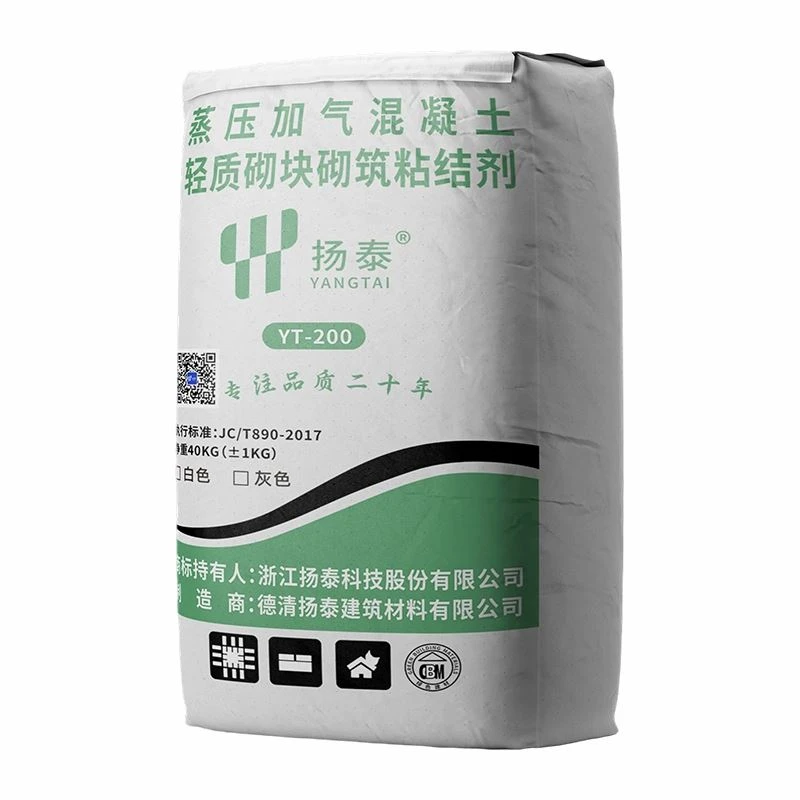
And if you're involved in the construction of lightweight block structures, our Lightweight Block Masonry Adhesive is a must - have. It provides a strong bond between the blocks, ensuring the stability of the structure.
How to Use Our Lightweight Block Primer
Using our primer is pretty straightforward. First, make sure the lightweight blocks are clean and dry. Remove any dust, dirt, or loose particles from the surface. Then, using a brush, roller, or sprayer, apply a thin and even coat of the primer. Let it dry according to the instructions on the product label, usually for a few hours. Once it's dry, you can proceed with the application of paint or plaster.
Conclusion
In conclusion, the elasticity of our Lightweight Block Primer is a game - changer. It allows the primer to adapt to the movement of lightweight blocks, preventing cracking and ensuring long - term durability. Along with its other benefits like water - repellency and improved adhesion, it's a top - notch product for any construction project involving lightweight blocks.
If you're in the market for a high - quality Lightweight Block Primer or any of our other related products, I'd love to talk to you. Whether you're a contractor, builder, or DIY enthusiast, we've got the right solutions for your needs. Reach out to us to start a discussion about your project and how our products can make it a success.
References
- Construction Materials Handbook: A Comprehensive Guide to Building Products
- Journal of Building and Construction Research on Primer Performance
- Best Practices in Lightweight Block Construction Manual